As an ayurvedic doctor, I have been asked these questions many a times- Does Ayurveda require vegetarianism? Do I have to become a vegetarian in order to benefit from Ayurvedic treatment? Why one should adopt vegetarianism? What ayurveda says about it?
So let us start with the benefits & WHY one should be a VEGETARIAN or must adopt a vegetarian diet?
Maintaining a happy and healthy mind relies on eating fresh, nourishing foods. A well- planned vegetarian diet consisting of grains, vegetables ,fruits, herbs, milk, ghee, and vegetable oils provides all the nourishment required.
Vegetarianism has a positive impact on both the health of individual and the world.
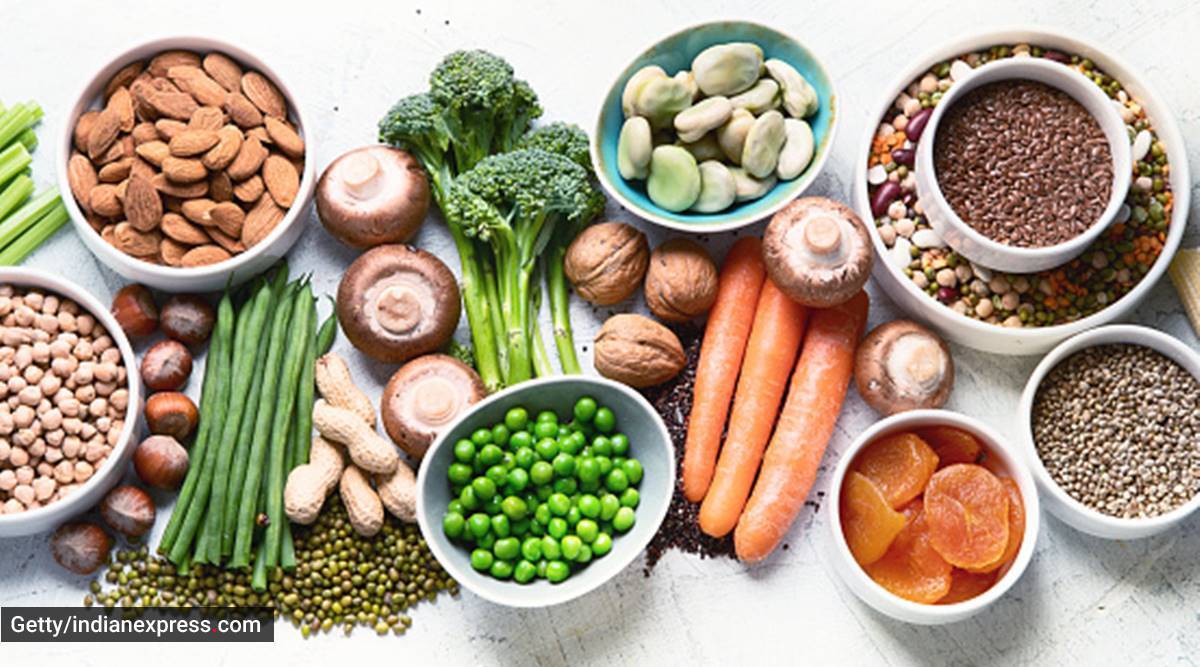
- To increase sattva and enhance spiritual growth. Meat, poultry, fish and eggs are considered rajasic and tamasic.
- For nourishment- The further away from the original source of energy-the sun-your food is, the less nourishing it is. Plant based foods are always lighter and easier to digest than meat, which is burden on the digestive tract.
- For good health -Those with a balanced vegetarian diet have fewer chronic diseases – most notably they have lower cholesterol, are less obese and have lower risk of heart disease. Also, Vegetarian diet costs much less than non-vegetarian foods.
5 ) Through compassion – Compassion or non- violence towards all living beings is an important part of ayurveda. This includes animals. Compassion for animals is also a big thing which can turn a person to vegan. Thinking about the conditions that animals have to endure in the factories or areas they are kept for slaughtering may be enough to feel compassion for them. Compassion can help a person to remain vegetarian for long term.
6 )To feed the world
The growing human population is putting pressure on the planet’s resources. The earth can provide enough food for everyone – if we all eat a vegetarian diet.
6) To protect the Earth
A vegetarian diet reduces the negative environment impact of meat production, such as greenhouse gas emissions, waste wastage and water pollution.
AYURVEDA & VEGETARIANISM
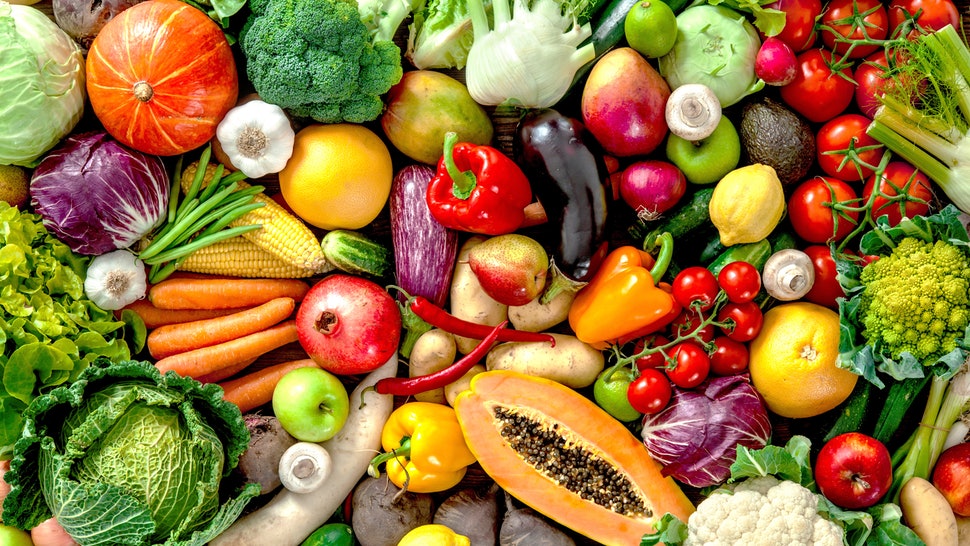
A common assumption is that Ayurveda is a vegetarian system. That is simply not the case. In Ayurveda, a little of anything is considered medicine and too much is considered poison. This rule stands for meat as well. In the ancient texts of Ayurveda, each animal product is defined by quality and meat is recommended as therapy for many ailments.
Ayurveda is a science of life originated from India and maybe that’s where from its adherence to vegetarian diet comes. It’s not that Ayurveda says a complete no to nonvegetarian diet. Many of the ancient masters have narrated the worth of some animal products in treating certain diseases. However, the vegetarian diet recommendations are much higher than the non-vegetarian.
One of the reason why total vegetarian diet is encouraged is because non veg is claimed to increase tamas dosha, which acc to spirituality is true.
You must have heard that line, ‘We are what we eat’. The basic concept behind Ayurveda recommending and supporting vegetarian food is its ability to get digested. Lighter food is easily digested as compared to the heavier ones. Vegetarian food is lighter than non -vegetarian food and requires much less energy and time to get digested. The basic concept and law of health is to form and conserve more energy in the body than it requires to digest the food as other activities in the body also needs it. The digestive fire needs more energy and time to get digested which slowly results in indigestion. Indigestion causes deposition of ama, an endotoxin. This ama is the cause of all diseases. Non vegetarian is a tamasic food, i.e. food that dulls mental and digestive power.
Vegetarian foods often leave fe9wer residues than animal products after digestion and for some help increase vitality. A vegetarian lifestyle is more environmentally friendly. However, humans have consumed meat for millennia, and a small amount may be necessary for your health. Many vegetarians become anemic and protein deficient. Adopting a vegetarian lifestyle needs to be a good fit for the individual. In general, Vaata types have the hardest time staying healthy with a vegetarian diet. However there are exceptions! Kapha people, on the other hand, often need less meat than they think
Although it is ultimately a personal decision, whether based on morals, personal preferences, religious ideals, or individual healthcare needs, what exactly does Ayurveda say about eating meat?
As with everything Ayurveda, eating meat should be about finding your personal balance. One man’s medicine is another man’s poison. What works for you, may not work for others. Ultimately, we must discover our present needs (this can change at different times in one’s life). We must also be non-judgmental toward others and their dietary decisions. Finally, if we do decide to eat meat, whether routinely or as medicine, one should always source organic, humanely raised meat as much as possible.
Like many other areas in Ayurveda, eating meat is not a black and white issue, but rather a choice that should be based on one’s body type (aka dosha type), as well as the individual’s personal healthcare needs. Although one person may feel amazing living a meat-free life, another individual may become severely depleted and malnourished, especially over time.
This means one should listen to their body. If you become vegetarian (or vegan) and after a while notice new health issues such as hair loss, loss of menstruation, anemia, recurring colds and flu, or chronic exhaustion, these are all indicators you may need to introduce meat (at least medicinally) back into your life. Alternatively, if one eats meat fairly often and is suffering from sluggish digestion, slow metabolism and consistent weight gain, this may be an indicator that meat is not the best food choice for you, at least on a daily basis.
The foods which increase purity, Health and joy are sattvic and sattvic diets are eating wholesome, fresh fruits and vegetables (vegetarian).
SATTVIC DIETARY HABITS ;
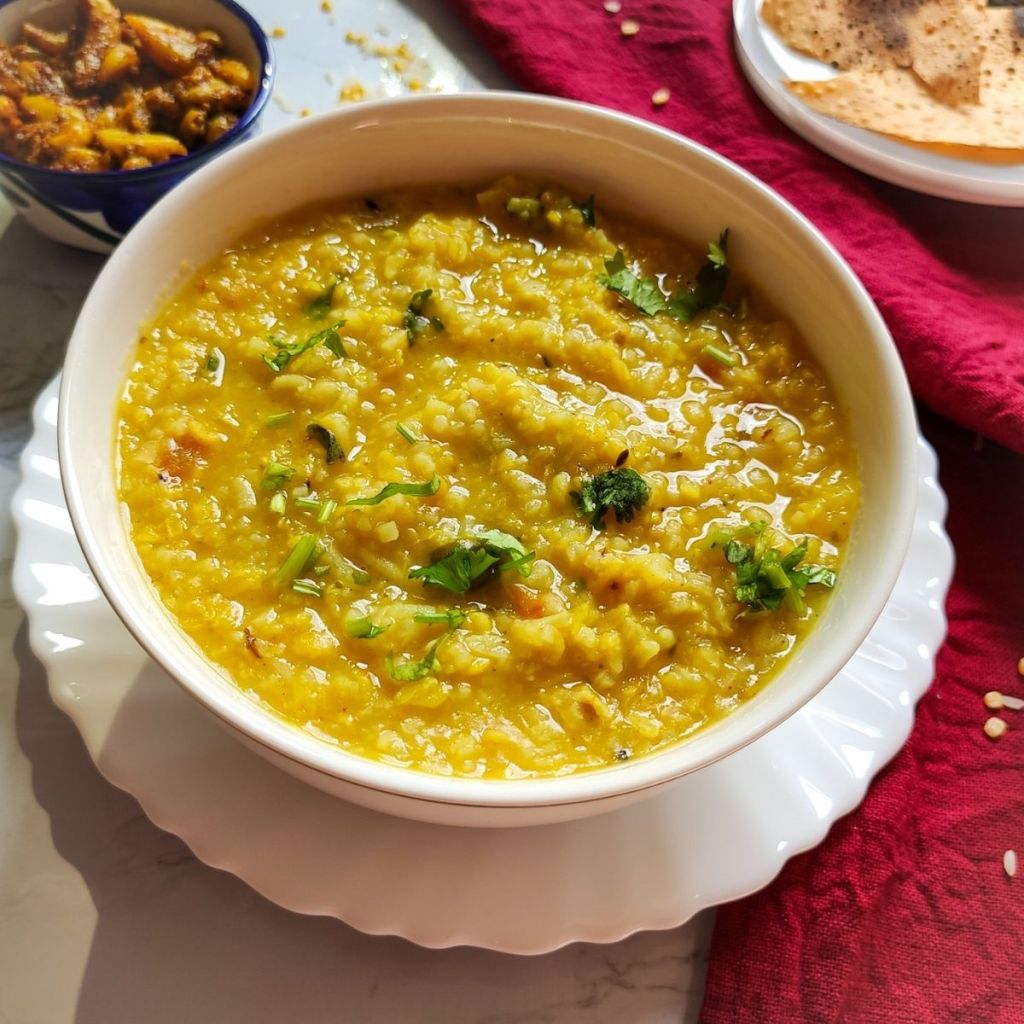
Reduce consumption of non-vegetarian food
Increase consumption of vegetarian food
Limit raw foods, particularly in the evening
Consume cooked food, freshly prepared
Avoid refrigerated foods
Eat your meals at fixed times
CHOOSE YOUR FOODS
Fresh , ripe foods are the best choices for a sattvic diet.
Meals should be freshly prepared, not processed.
Wherever possible, aim to ;
Shop organic – choose food grown in fertile soil free from pesticides.
Shop local – farmers markets & home grown produce are ideal.
Avoid supermarket produce that has been prepackaged and imported.
CONCLUSION ;
Ayurveda does not say that one should follow total vegetarianism.
A non vegetarian diet has its own significance in ayurveda depending upon the individual’s prakriti and dosha (vaata, pitta and kapha).
Ayurveda is not a religion, its a science purely based on individual body characteristics. If some are weak and need animal protein in the diet, Ayurveda does not restrict that. In Ayurveda, there is clearly mention of non-veg foods which are used as a medicine.
Dr. Ridhima Gupta
CEO & founder at AyurNurture

 AyurNurture Ayurveda & diet clinic